Our own network identity
EnderHost operates as AS218631. A clear network identity connects our infrastructure and the services we run.
The EnderHost network · AS218631
100 Gbps connectivity. GSL and in-house filtering on most locations. North American and European infrastructure that puts your services closer to the people using them.
EnderHost operates as AS218631. A clear network identity connects our infrastructure and the services we run.
GSL and in-house filtering on most locations handle attack traffic before it reaches your server’s individual port.
Get help with routing, latency, and service issues. Your client area connects you directly with our team.
Closer to your community
Explore our North American and European locations. Test the route from your browser, then put your server where your community plays.
Measured from your browser over HTTPS, not ICMP. In-game latency may differ; an unavailable test does not indicate an outage. 100 Gbps is network capacity; server ports depend on your plan.
Explore the networkProtection before the first packet
Multi-terabit DDoS protection, backed by GSL and our in-house filtering on most locations. Built to protect your connection while your community keeps playing.
Players and services connect from around the world.
Incoming connectionsVolumetric floods are removed upstream.
Floods filteredProtocol checks catch abusive traffic patterns.
Packets inspectedAccepted traffic is routed through AS218631.
Protected routingValid connections reach your games and services.
Ready to connectUnwanted traffic meets upstream scrubbing and protocol checks before it reaches your workload.
Large floods handled upstream
Traffic checked for invalid patterns
Valid connections continue to your service
Upstream mitigation capability
Upstream reach. In-house control.
Real support when you need it
Layers of defense
Network filtering addresses floods and protocol abuse. Application rules are tailored to the service; secure plugins, strong credentials, and software updates still matter.
Filtering sits in front of your server address. Your connection does not need a manual protection switch.
Upstream scrubbing and our own filtering work together on most locations. Ask us about the profile for your chosen region.
Filter network floods, transport abuse, and selected application protocols. Profiles are tailored to the location and service.
Large attack traffic is handled upstream, keeping mitigation ahead of your server’s individual port.
Game protocols and web applications behave differently. We help select filtering appropriate to your service.
Our support team can investigate routing, review symptoms, and help distinguish an attack from a server issue.
What we protect against
Why it matters
Keep an attack from becoming the only thing your community remembers about game night.
Filtering should understand the service it protects, with a region and profile that suit your traffic.
Reach our team around the clock when you need help with your server or network.
Inside the infrastructure
Explore the facilities behind our locations, from central North America to connected European markets.
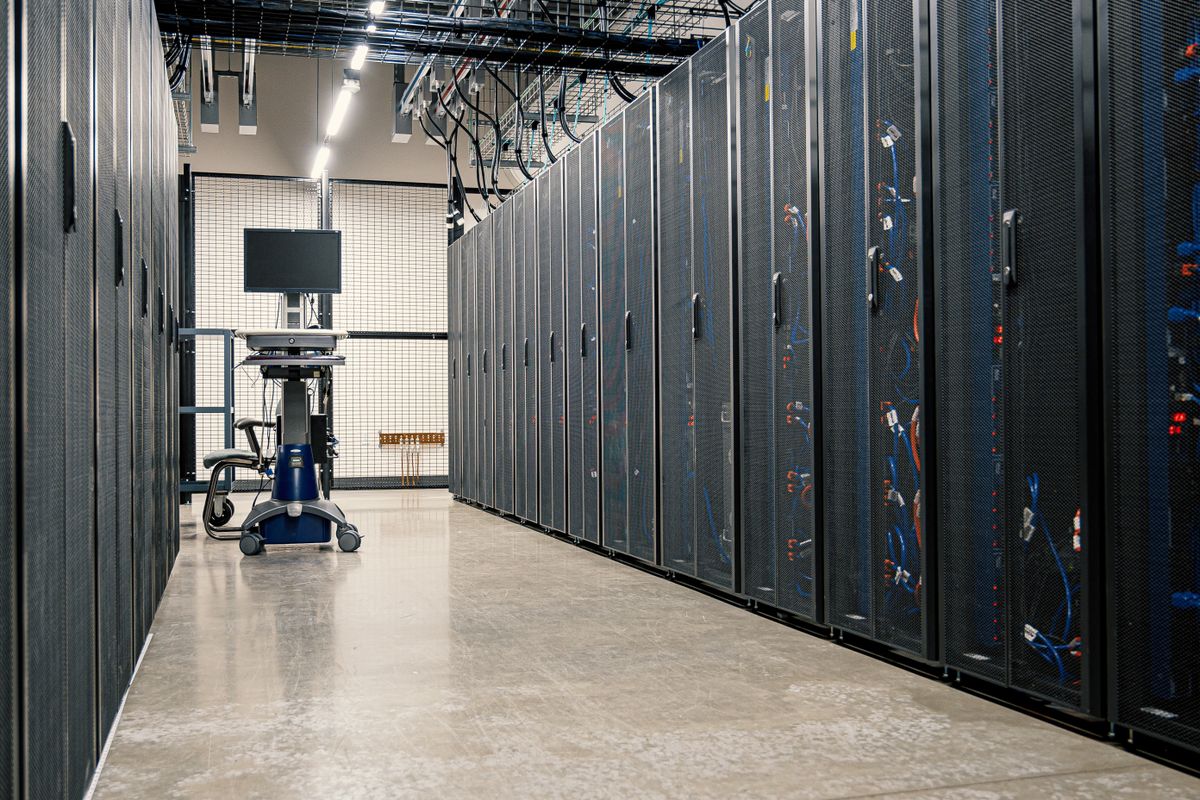 Server hardware · illustrative image
Canada
Our Canadian location at Cogent’s 245 Consumers Road data center. Multiple carrier options, backed-up power, and 24/7 building security support communities in Canada and the northeastern US.
Ask us about IX transport options for this location. Cogent’s facility sheet does not list an on-site exchange.
Carrier handoffs are provisioned to order.
Carriers listed by Cogent for this facility
Exchanges, carrier listings, and port options describe the facility or campus ecosystem. Your EnderHost server port, upstreams, and available services depend on your plan and location.
A little help before you launch
From your first server to your next big idea. Here’s what you need to know.
Have a question of your own? Our team is here to help.
Ask our team (opens in a new tab)Or explore the guidesNo. 100 Gbps describes network connectivity. Your individual server port and monthly transfer allowance are listed on your plan or quote. VPS plans currently list a 1 Gbps uplink; dedicated examples show 10 Gbps ports.
Yes. Your browser measures HTTPS response times to our configured test endpoints and uses the median of repeated samples after a warm-up request. This estimates your browser route rather than ICMP or in-game latency.
Traffic passes through upstream scrubbing and protocol inspection before valid connections reach your server. The diagram explains those layers; protection profiles depend on your location and service.
It describes our network mitigation capability, supported by GSL and in-house filtering on most locations. Exact profiles depend on your region and service. Application security, plugin updates, and credentials remain important.
Start near the majority of your players or users, then compare the browser latency tests. The fastest result for you may differ from the fastest result for someone on another network.
Our 99.9% Uptime SLA includes published service-credit terms and exclusions. Read the SLA for the definition of covered downtime and how to submit a claim.
Ready when you are
Choose a location, size your workload, and bring your community closer.









PREPARING YOUR EXPERIENCE